Boardroom and executive meeting security
The exposure in a sensitive meeting is rarely an exotic implant. It is the phone in a participant's pocket, the conference bridge nobody vetted, the off-site venue whose staff you have never met, and the notes that leave the room on a personal device.
Treat the meeting as three phases: prepare the room, control what is inside it, and close it out. Equipment supports each phase; it does not replace the protocol.
- Off-site or third-party venues where you do not control access or staffing
- Participants joining from unvetted personal devices or conference lines
- Repeat meetings in the same room on a predictable schedule
- Deal, litigation or personnel information with a clear commercial buyer
Step by step,
in order.
Sweep before anyone arrives
RF pass over the table, ceiling void access, power outlets, AV equipment, seating and any object added since the last meeting. Twenty minutes for a standard boardroom.
Control the devices
Personal phones and smartwatches go into signal-blocking storage outside the discussion, not face-down on the table. A phone on the table is a microphone with a battery.
Fix the seating and the agenda
Sensitive items early, with the smallest group in the room. Anyone whose presence is not required for a specific item is not present for it.
Secure the remote leg
Remote participants are the weakest link. Use encrypted handsets or a vetted bridge, and confirm identities before privileged material is discussed.
Re-sweep at the break
The interval when the room empties is the opportunity. A short second pass after a break closes it.
Close the room out
Collect notes and printouts, clear whiteboards, log who attended each item, and record any anomaly found during either sweep.
What this
actually takes.
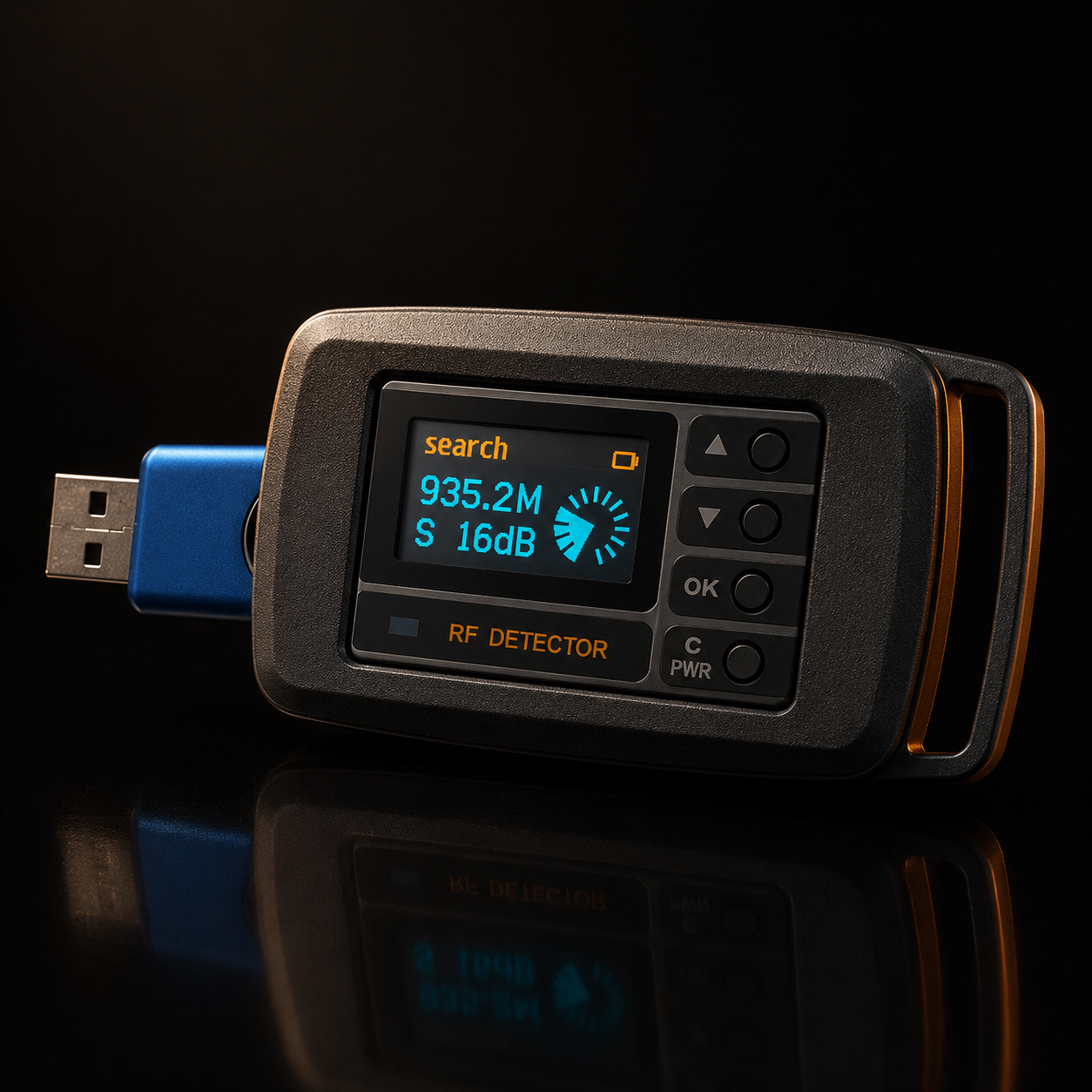
SENTINEL
The pre-meeting sweep instrument: identifies GSM, Wi-Fi, Bluetooth and analog transmitters in the room before the discussion starts.
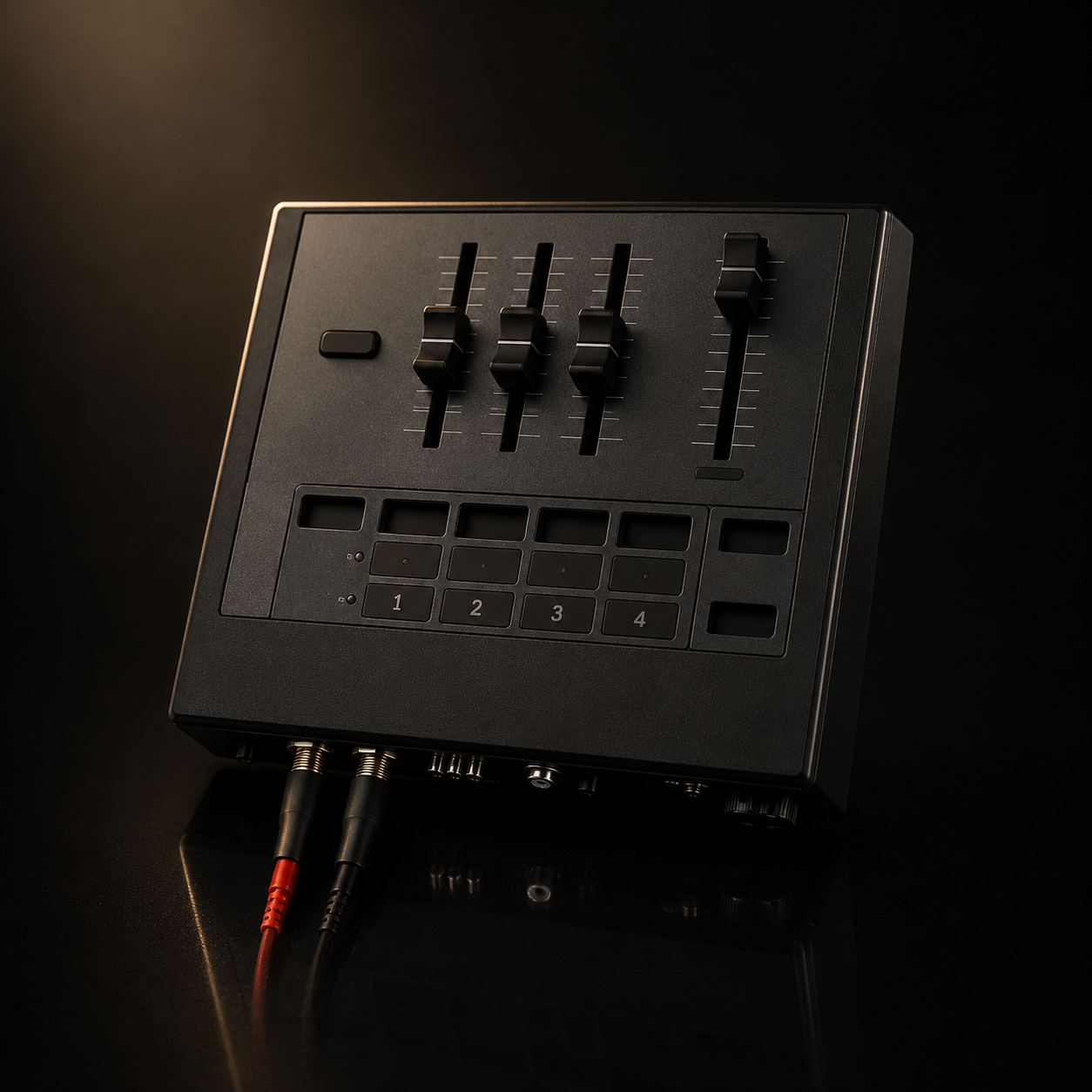
WRAITH
Voice protection for discussions where a recording device may still be present in the room.

CIPHER
Hardened, encrypted handsets for the remote leg and for follow-up calls after the meeting closes.
- A sweep is a snapshot: it proves the room was clean when you swept it, which is why the break re-sweep exists.
- Powered-off and wired devices are outside the scope of an RF pass and need physical inspection of AV and cabling.
- No equipment compensates for an attendee who repeats the discussion outside the room.
Frequently
asked.
How do you secure a boardroom before a sensitive meeting?
Run an RF sweep of the room before participants arrive, covering the table, power outlets, AV equipment, seating and anything added since the last meeting; store personal phones in signal-blocking cases outside the discussion; secure the remote leg with encrypted handsets or a vetted bridge; and re-sweep after any break.
How long should a pre-meeting sweep take?
About twenty minutes for a standard boardroom, longer for a large or unfamiliar off-site venue. The sweep should finish before the first participant arrives so the room stays controlled from that point on.
Do phones on the table really matter?
Yes. A phone is a networked microphone with its own power supply, and it is the most common route by which meeting content leaves a room. Signal-blocking storage outside the discussion area removes the question entirely.
Is professional TSCM still necessary if we own detection equipment?
In-house sweeps handle routine meetings and raise the cost of casual surveillance considerably. A specialist TSCM team is still the right call for a credible, targeted threat, a post-incident investigation, or a permanent facility that needs a documented baseline.
Family office & DIFC boardroom
Meeting hygiene for family offices and investment committees in Dubai, Abu Dhabi and Riyadh.
Yacht & private aviation
Clear a cabin or charter aircraft where crew, charter guests and yard contractors rotate.
Hotel room sweep
Check a room for hidden cameras and transmitters before you take the first call.
Find a GPS tracker on your car
Where trackers are hidden, how to detect them, and what a detector can actually see.
Airbnb & short-term rental check
A privacy check for rentals, where hosts control the fixtures and the network.
Executive travel in the Gulf
A repeatable privacy check for suites, meeting rooms and cars across Dubai, Riyadh and Doha.
Villa & household privacy
Check a villa or serviced residence where contractors, staff and agents have all held keys.